
Magnesium Alloy Die Casting Applications in Modern Manufacturing


Magnesium alloy die casting applications are mainly found where low weight, structural efficiency, and complex geometry are important. Magnesium alloys are among the lightest structural metals used in commercial manufacturing, making them attractive for components that need to reduce weight without switching entirely to plastic materials.
Through high-pressure die casting, magnesium alloys can be formed into thin-wall housings, ribs, bosses, mounting features, and other integrated structures. This makes the process suitable for automotive, electronics, industrial equipment, and other products where both weight and part complexity matter.
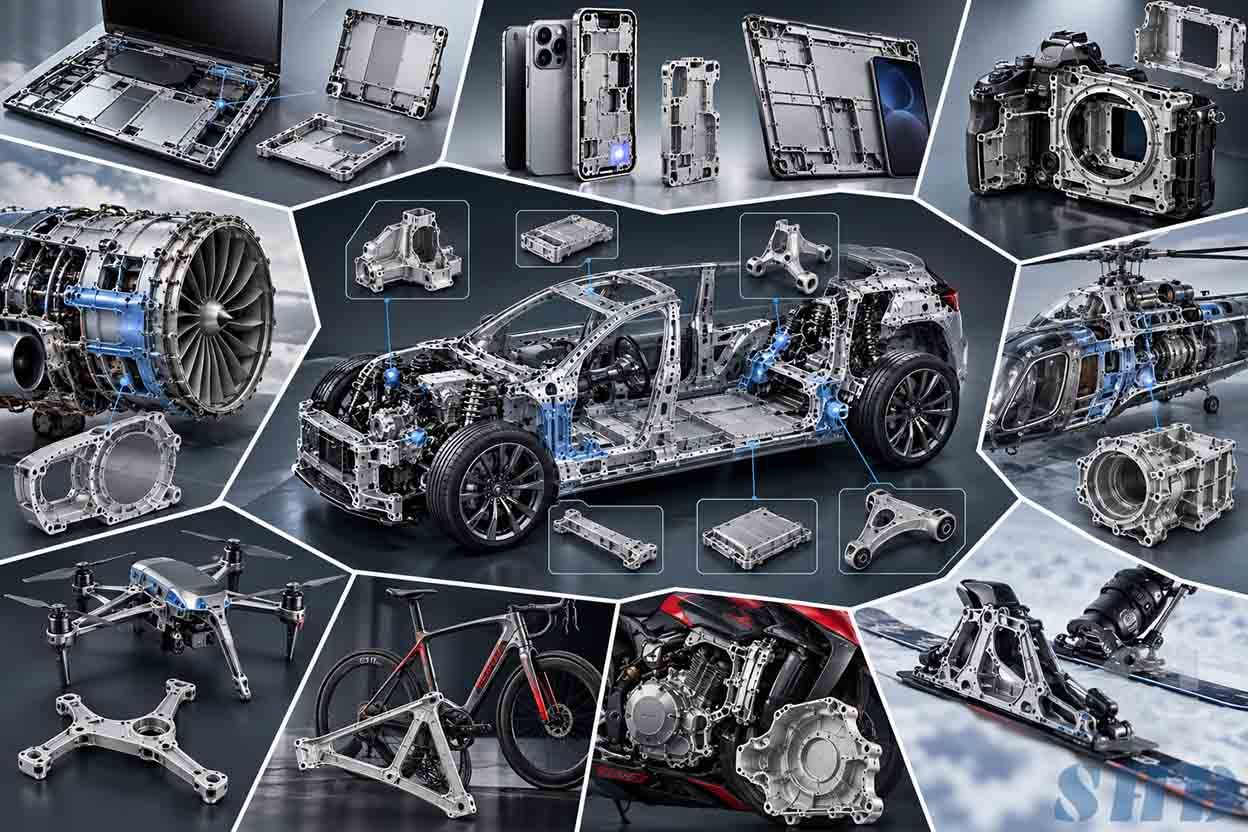
Where Magnesium Alloy Die Casting Applications Are Common
One of the most familiar application areas is the automotive industry. Magnesium die casting may be considered for housings, brackets, structural covers, steering-related components, seat structures, and other parts where reducing component mass can be valuable. The exact alloy and design still need to match the load, temperature, corrosion environment, and assembly requirements.
Electronics and equipment housings are another important area. Magnesium alloys can provide a rigid metal enclosure while keeping overall weight relatively low. Die casting also allows several mounting features or internal ribs to be integrated into one component, reducing the need for separate assembled parts.
Why Magnesium Is Useful for Lightweight Components
The main advantage of magnesium is its low density compared with aluminum and steel. This can make it useful for lightweight metal components where reducing mass is part of the design goal. At the same time, magnesium alloys can be pressure die cast into relatively detailed shapes.
However, lightweighting should not be treated as the only design target. Wall thickness, rib structure, mounting areas, and load paths still need to be reviewed carefully. A lighter component is only useful if it still meets its functional requirements.
Die Casting Design Still Matters
Magnesium alloys have good casting potential, but final quality still depends on tooling and process control. Gate position, venting, filling behavior, die temperature, cooling, and ejection all influence the result. Thin sections may cool quickly, while thicker bosses or local heavy areas can create different solidification conditions.
If the component requires CNC machining after casting, machining allowances and datum surfaces should also be considered during the design stage.
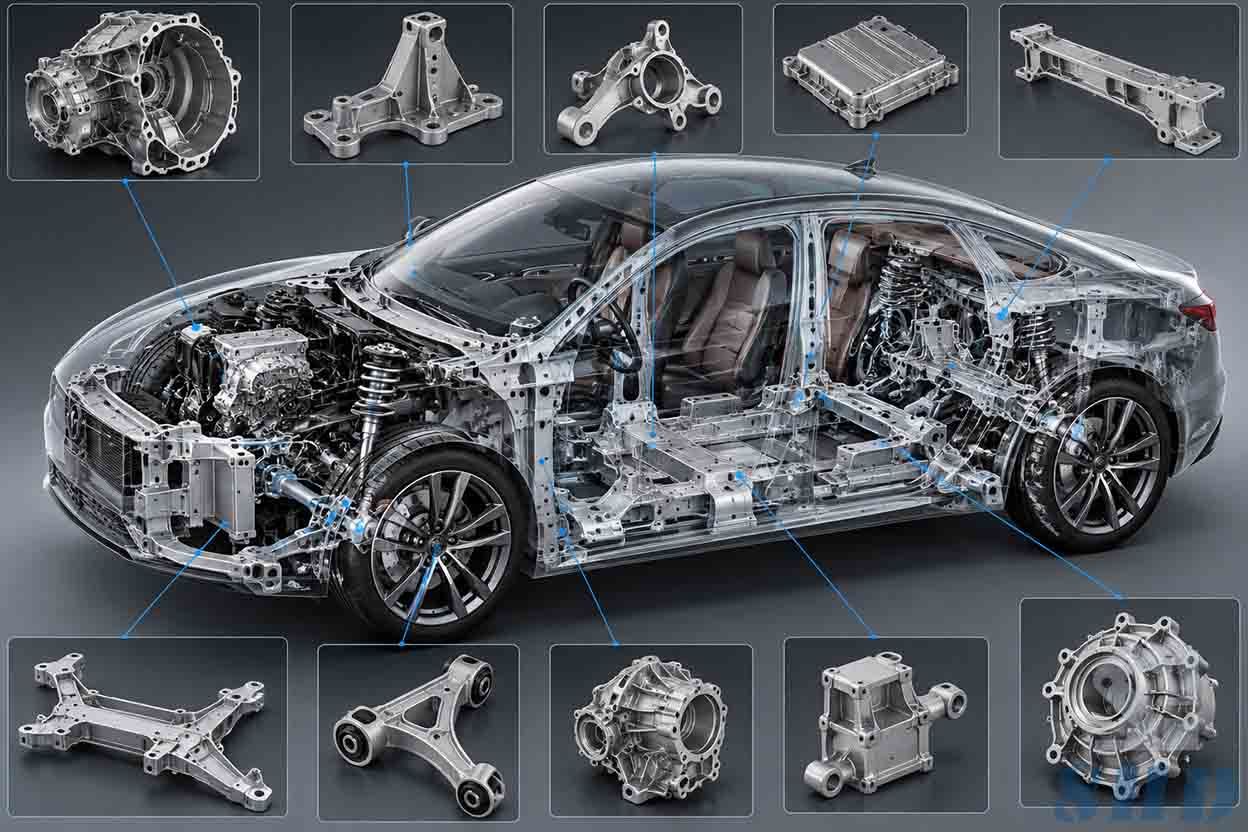
Surface Protection May Be Required
Depending on the application and service environment, magnesium components may require surface treatment or coating. Surface finishing should therefore be discussed early, especially when the part will be exposed to moisture, chemicals, wear, or cosmetic requirements. The selected finishing method should match the alloy and intended use rather than being added only after the casting design is complete.
Conclusion
Magnesium alloy die casting applications are particularly useful when a project requires lightweight construction, complex geometry, and integrated metal features.
The process can support automotive, electronics, industrial, and equipment-related components, but good results depend on alloy selection, part design, die-casting control, machining strategy, and surface protection.
Magnesium Die Casting Support from SHD Precision Die Casting
SHD Precision Die Casting supports custom die-casting project discussions based on customer drawings, part geometry, material requirements, functional surfaces, and secondary processing needs.
For magnesium alloy components, early review of wall thickness, structural features, machining areas, and finishing requirements can help determine whether the design is suitable for die casting and where additional manufacturing control may be required.
Frequently Asked Questions
-1. Is magnesium die casting always better than aluminum die casting?
No. Magnesium offers lower weight, while aluminum may be preferred for other mechanical, thermal, corrosion, or cost requirements. The correct material depends on the application.
-2. Can magnesium die-cast parts be CNC machined?
Yes, some functional features may require secondary machining. The machining plan should consider part support, datum selection, and final surface requirements.
-3. Are magnesium die-cast parts suitable for outdoor use?
They can be, but the service environment and corrosion protection requirements need to be evaluated. Surface treatment or coating may be required depending on exposure conditions.