
Aluminum Tube Forming in Modern Die Casting Manufacturing


Blogpost keywords: aluminum tube forming, die casting manufacturing, hollow metal structures
Aluminum tube forming has evolved beyond traditional extrusion-only applications and is increasingly connected with advanced die casting manufacturing in modern OEM production.
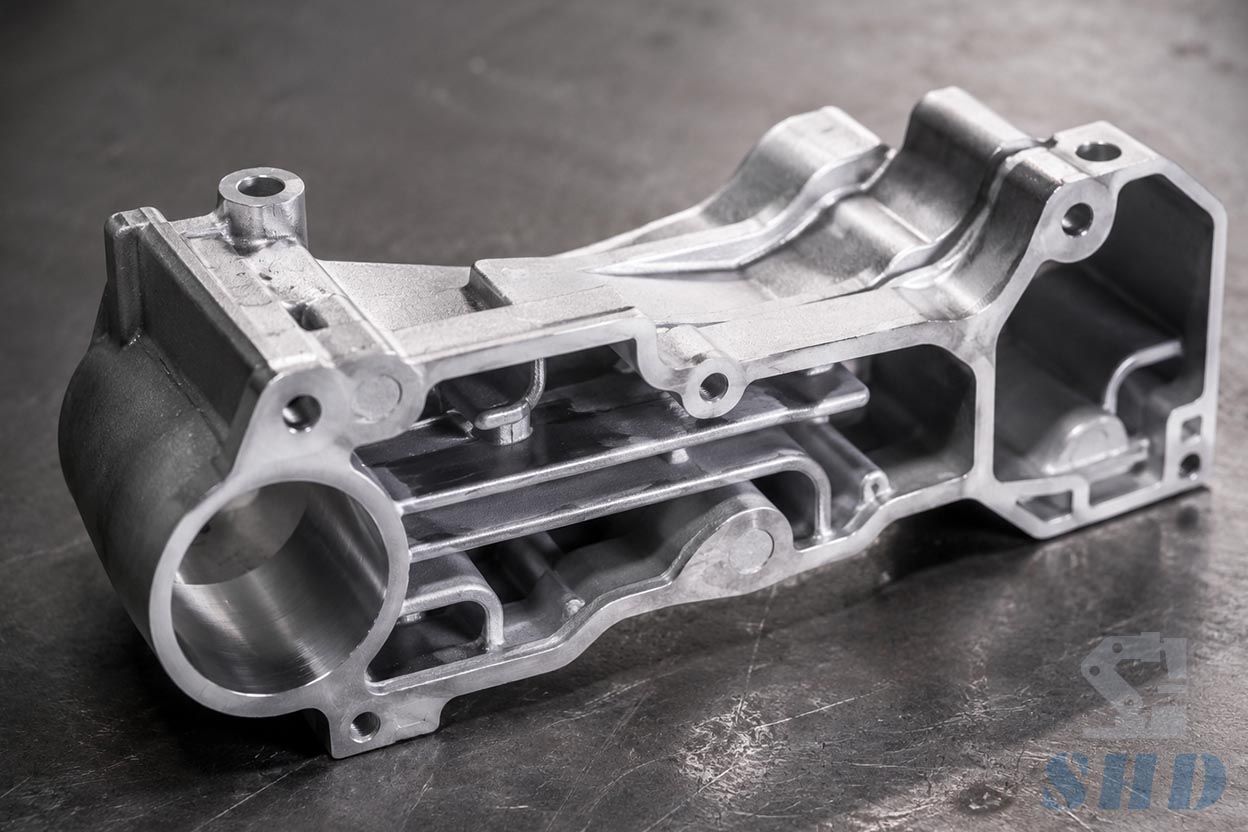
As industrial products become lighter, more compact, and structurally integrated, manufacturers are exploring ways to combine hollow metal geometries with complex casting structures in a single production strategy.
Why Aluminum Tube Forming Is Becoming More Relevant in Die Casting Manufacturing
In many industrial and automotive projects, hollow structures are no longer used only for fluid transfer or simple framework support.
Today, aluminum tube forming is often associated with weight reduction, internal routing, thermal management, and integrated structural design. This creates new opportunities for die casting manufacturing, especially when products require both hollow channels and complex external geometry.
At SHD Precision Die Casting, we frequently see projects where traditional solid castings would create excessive weight or machining difficulty. By integrating hollow metal structures into the design stage, OEM products can achieve lower material consumption while maintaining structural rigidity.
However, producing these geometries is rarely straightforward.
The Engineering Challenges Behind Hollow Metal Structures
Unlike standard solid die castings, hollow metal structures introduce additional complexity during mold filling and solidification. Metal flow must remain stable around internal core systems without creating porosity, trapped air, or incomplete filling. In some aluminum tube forming projects, retractable cores or soluble core technologies are required to achieve enclosed internal geometries.
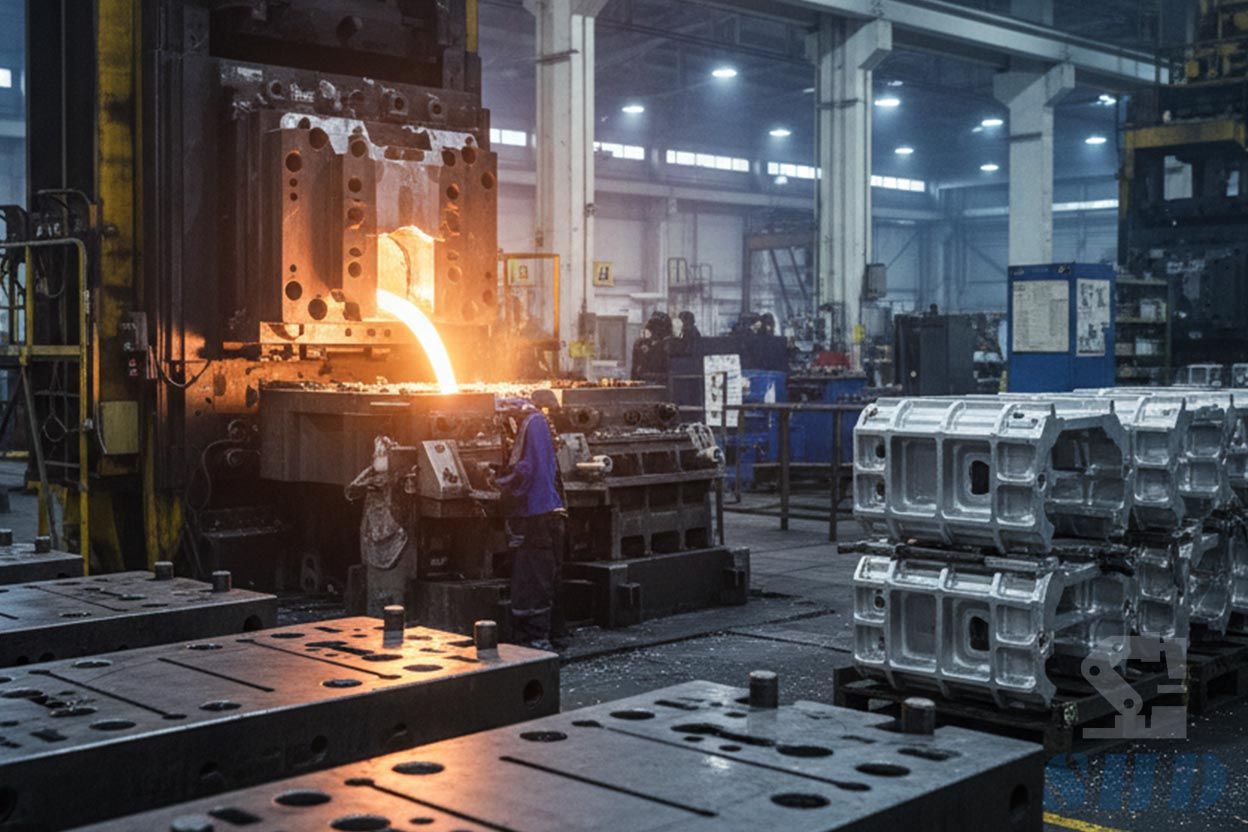
One industrial housing project we supported involved internal cooling channels integrated directly into the casting body. The customer initially planned secondary drilling operations after production, but this increased machining time and dimensional variation.
Instead, we redesigned the component around a die casting manufacturing approach with controlled internal channel formation. This reduced machining dependency while improving production consistency. The challenge was balancing structural wall thickness with molten aluminum flow behavior. Thin sections around hollow areas cooled extremely quickly, requiring gate redesign and pressure adjustment during testing.
Common Misunderstandings in Aluminum Tube Forming Projects
One common misconception is assuming that aluminum tube forming automatically lowers manufacturing cost. While hollow designs reduce material usage, they often increase tooling complexity and process control requirements. Internal core systems, venting strategy, and thermal management become significantly more important.
Another misunderstanding is believing that all hollow metal structures can be produced using standard die casting methods alone. In reality, some geometries may still require hybrid production approaches combining extrusion, machining, welding, or secondary assembly depending on functional requirements. At SHD Precision Die Casting, evaluating manufacturability early is critical before committing to tooling investment.
Practical Considerations for OEM Product Development
For OEM buyers and engineers, aluminum tube forming should be considered as part of the overall production strategy rather than an isolated structural feature. Internal channel dimensions, corner transitions, and wall thickness variation all influence mold release behavior and casting stability.
During die casting manufacturing development, even small geometry adjustments can dramatically improve metal flow performance and reduce long-term defect rates.
This is especially important in applications involving thermal systems, lightweight industrial equipment, or structural support components where hollow metal structures play both functional and mechanical roles.
Conclusion
Aluminum tube forming continues to expand the capabilities of die casting manufacturing by enabling more efficient hollow metal structures with integrated industrial functionality.
At SHD Precision Die Casting, we support aluminum tube forming projects through tooling analysis, internal core system optimization, and production-focused die casting manufacturing strategies. Our engineering team helps OEM clients develop hollow metal structures that balance lightweight performance with stable large-scale production.